
Alberto da Veiga Guignard: Biography and Work: Analysis of Technique and Major Works
Discover the unique style and technique of Alberto da Veiga Guignard, a Brazilian artist who left an indelible mark on the country's art history.
Alberto da Veiga Guignard was a Brazilian artist who left an indelible mark on the country's art history.
With a classical education and a deep understanding of the modern art movements of European art, Guignard acquired and refined his own unique style in his drawings, sketches, and paintings.
He was a great portraitist, and his collection has not been cataloged, but it is estimated that he painted over 700 portraits and more than 2,000 works throughout his career.
Guignard was also a compulsive painter, like Portinari, who painted all the time, and his works are characterized by a unique lyricism in our modernity.
Guignard's contribution to the national identity remains a vital chapter in the story of Brazilian art, much like the contemporary impact of Romero Britto and His Work
He painted landscapes that seem to float, as if art catches the moment when things emerge, before they find their definitive place in the painting.
Additionally, Guignard also painted works that present a unique style, such as Os Noivos and Festa em Família, filled with arabesques and other motifs.
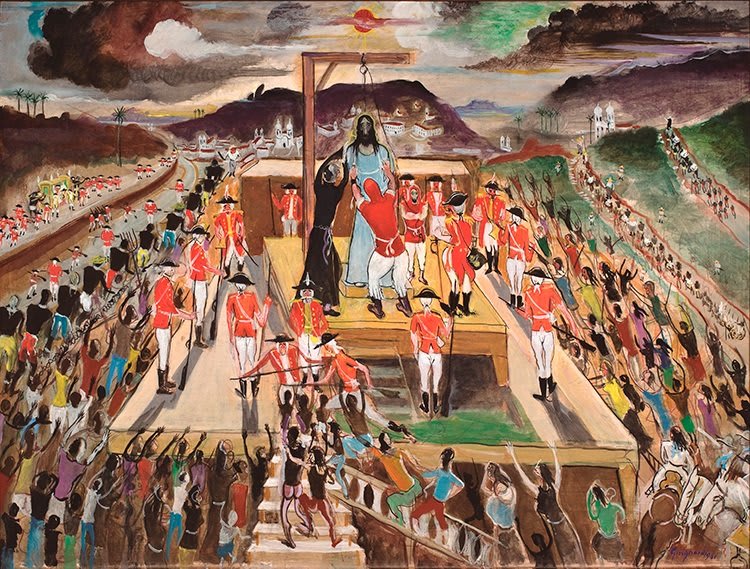
The Execution of Tiradentes
Commissioned work by Guignard for the then President of the Republic at the time, Juscelino Kubitschek.
The work presents the unique style of the master, presenting his imagined landscapes in the background of this historical scene where he led to death by hanging, Joaquim José da Silva Xavier who was known as Tiradentes
At the end of his career, Guignard paints the "imagined landscapes".
In them, his palette turns to a grayish white where everything seems to be suspended, without soil or firm support points.
There are no paths, geographical accidents, or distances.
Alberto da Veiga Guignard and his work:
Guignard, without leaving being an artist of his time, is the owner of a peculiar technique.
Of classical formation, but with a deep and personal experience of the modern art movements of European art of the years he studied there, he acquired and refined a unique style in his drawings, sketches, and paintings, which from the beginning of his restoration in Brazil in 1929 made him known and envied in the artistic and academic medium.
Guignard was a great portraitist.
To this day, his collection has not been cataloged, but it is estimated that he painted over 700 portraits and a total of more than 2,000 works.
He was a compulsive painter, like Portinari, who painted all the time.
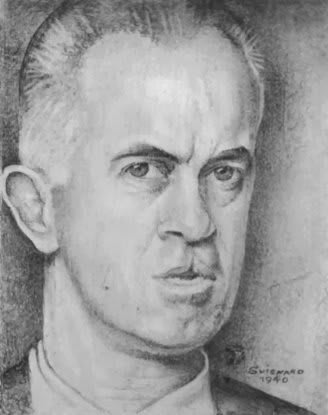
In his self-portraits, he does not fail to show the congenital defect that he ended up accepting and living with, the hare lip.
The psychological depth of his portrait work is a trait shared by many of the world's most influential masters, including the meticulous detail found in The Anatomy Lesson of Dr. Tulp by Rembrandt
The Execution of Tiradentes - Commissioned work by Guignard for the then President of the Republic at the time, Juscelino Kubitschek.
The pursuit of a unique visual language in Brazil often led artists toward the ethereal, a path also taken by Tomie Ohtake - Biography and Art: A Journey from Immigration to Abstraction
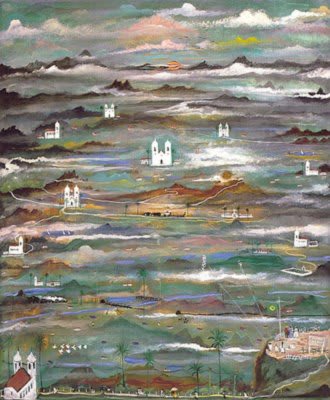
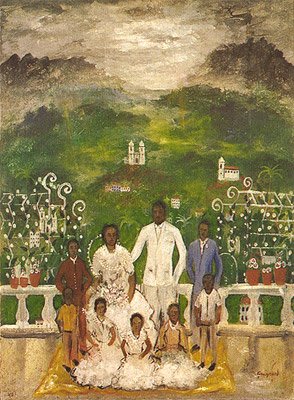
We find in Guignard's work a unique lyricism in our modernity.
His landscapes that often seem to float, as if art catches the moment when things emerge, before they find their definitive place in the painting.
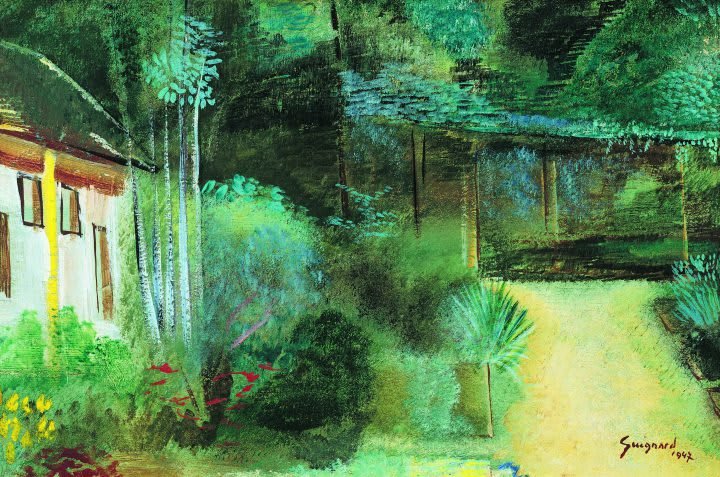
Furthermore, Guignard also painted works that present a unique style, such as Os Noivos and Festa em Família, filled with arabesques and other motifs.
Os Noivos. Alberto da Veiga Guignard. 1927
Guignard was a great portraitist.


