
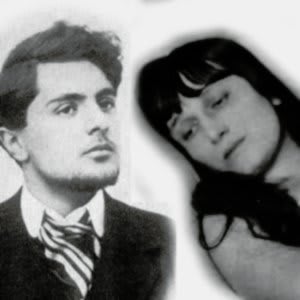
Amedeo Modigliani: Life and Work: Bohemia, Loves and Tragic End
Discover the intense life of Modigliani in Paris, his striking relationships, the difficulties he faced, and the premature end of his journey.
In the years that followed, Modigliani moved to Montparnasse, where he became friends with the sculptor Brancusi. The cubism had a profound impact on him.
This change marked the beginning of a new phase in the life of Modigliani, who became one of the main exponents of the Paris School.
The artistic revolution in Paris during this period also gave rise to other bold experiments with color and emotion. Fauvism
In Montparnasse, Modigliani found a vibrant artistic environment, where he could connect with other artists and intellectuals of the time.
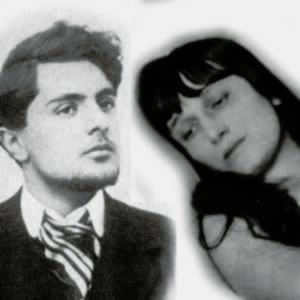
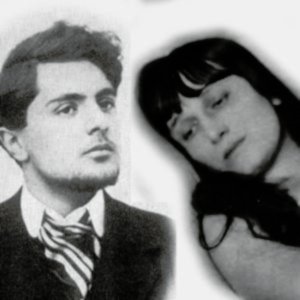
One of the main influences in the life of Modigliani was the Russian poet Anna Akhmatova, with whom he had a strong relationship.
Anna Akhmátova and Amedeo Modigliani.She, a Russian poet from the aristocracy. He, an Italian artist with no money in his pocket. Their meetings were able to awaken passions and inspiration in these two important names.
Charismatic figure of great physical beauty and prodigious memory, she marked her presence in the cafes of Montparnasse, reciting with brilliance and expression, verses of Dante Alighieri, then making quick drawings of the environment and people, in exchange for small amounts or even a glass of wine.
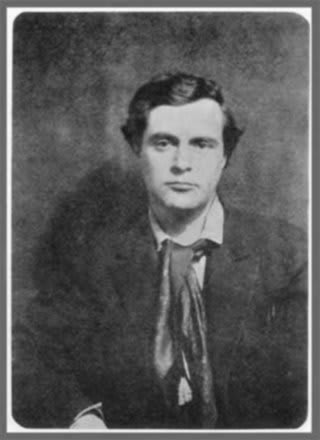
Owner of a strong personality, he never accepted advice from anyone. He had immense passion for art, life, and love. He defended his ideas, not caring what others would say or think. He was of a ferocious authenticity.
Like many painters and artists of his time, Modigliani lived the experience of extreme poverty, depending on the sale of his works to live. Sometimes he did a drawing in exchange for food in a restaurant in Paris.
The journey from academic struggle to monumental legacy is a common thread among the masters of the 20th century. Biography of Candido Portinari: From Academia to Historic Mural Paintings
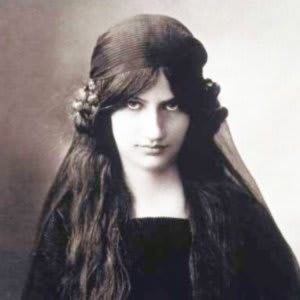
After a year of cohabitation, the couple had a daughter, whom they gave the same name as her mother, Jeanne.
Soon, the artist's health was deteriorating, so they decided to travel to southern France in search of a better climate and his recovery.
The passionate existence of Modigliani ended on January 24, 1920, in Paris. He died at 35, in extreme poverty, a victim of tuberculosis, exacerbated by excessive work, alcohol, and drugs. A day after Modi's death, Jeanne, nine months pregnant, commits suicide. She throws herself from the fifth floor of a building.
It was only ten years after the couple's death that their bodies were found when Jeanne's body was transferred to the same cemetery where the artist was buried.
The daughter Jeanne, after the tragic death of her parents at the age of fourteen months, was taken care of by her maternal grandparents until her paternal aunt adopted her.
As an artist, Jeanne Modigliani created abstract compositions. She is also known as the biographer of her father, writing the book "Modigliani, man and myth", published in 1958.
As the Parisian avant-garde evolved, other movements began to challenge the very nature of reality and perception. Surrealism: A Global Artistic Movement and Contemporary Artists
To understand the rest of this journey, continue to our next article: Amedeo Modigliani: Life and Work: Unique Style and Notable Works.


