Leonardo da Vinci: Biography and Work: Analysis of Immortal Works and Legacy for Humanity
Discover the timeless masterpieces of Leonardo da Vinci, including the Mona Lisa and The Last Supper, and understand their lasting impact on art, science, and global culture.
Article Index
The genius painted the ceiling.

He took 4 years.
Works Cited...
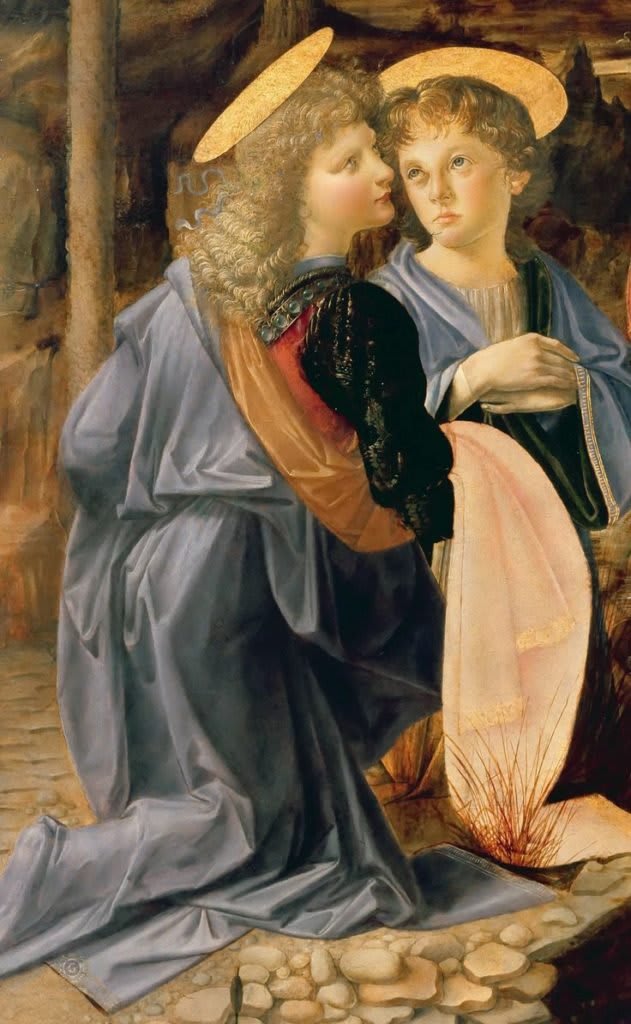
1- Baptism of Christ - This is a painting produced by Verrocchio for the convent of Saint Louis. At the time, Leonardo was his apprentice. Some details existing in Verrocchio's paintings were made by the then-student, such as the angel on the left in the detail of this painting, as well as the landscape, which is also by Leonardo da Vinci.
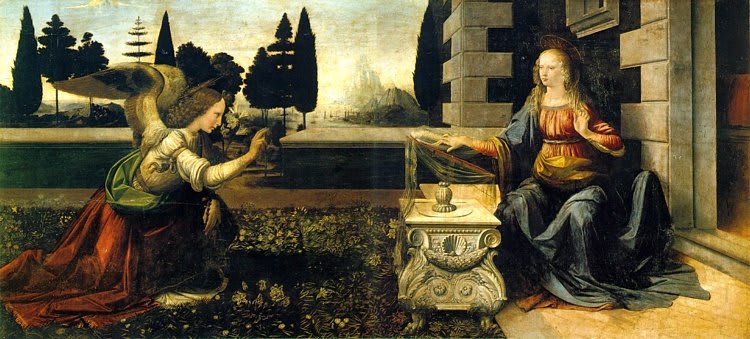
2- The Annunciation - This is considered the first painting attributed to Leonardo da Vinci, but some historians attribute a part of it to Verrocchio. Following the scriptures in the Gospel of Luke, Leonardo depicts the Angel Gabriel at the moment when he announces to the Virgin Mary that she has been chosen by God to be the mother of Jesus, her son.
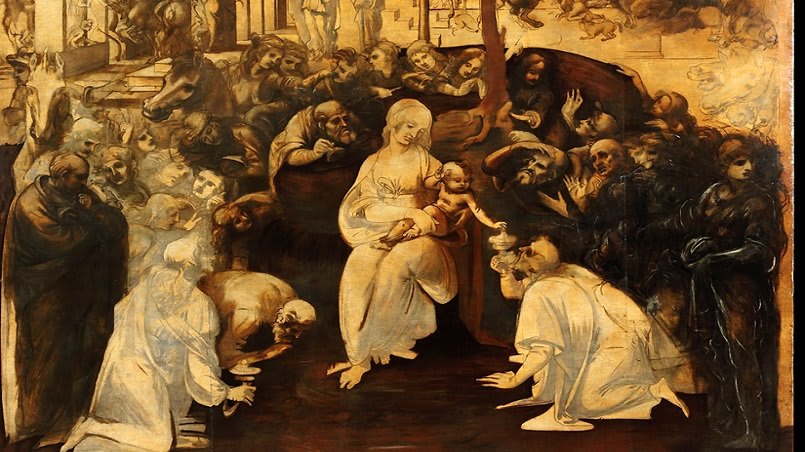
3. Adoration of the Magi - In this painting by Da Vinci, the Virgin and the Child are at the center of a whirlwind of silhouettes illuminated by the light emanating from the sacred figures.
The intricate arrangement of figures and symbolic depth seen here is a hallmark of great European art, much like the details found in The Battle between Carnival and Lent - Pieter Bruegel's Masterpiece
4. The Vitruvian Man
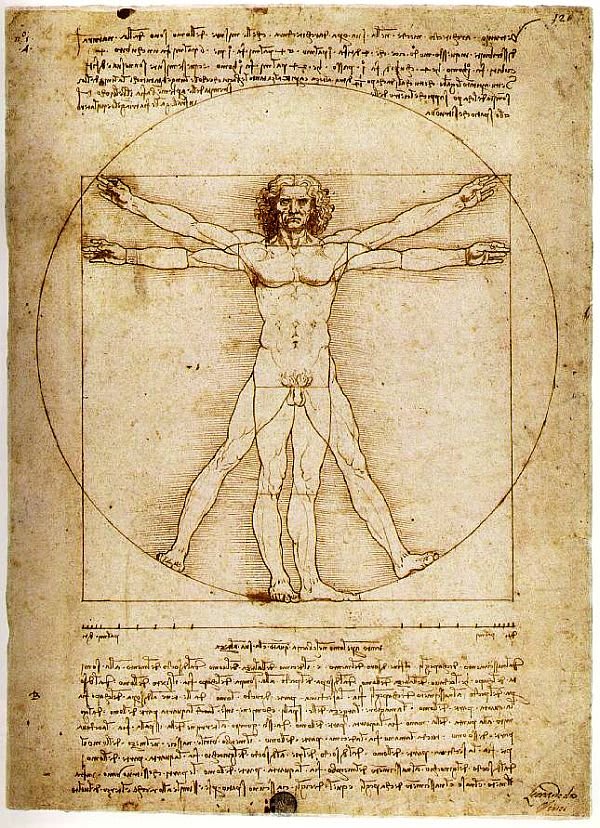
Clique aqui, and learn more: The Vitruvian Man
Leonardo’s obsession with anatomical accuracy and human proportions laid the groundwork for future masters to explore the human body, as seen in The Anatomy Lesson of Dr. Tulp by Rembrandt
5- The Lady with an Ermine - This is a portrait of one of the lovers of Duke Ludovico Sforza, Cecilia Gallerani.
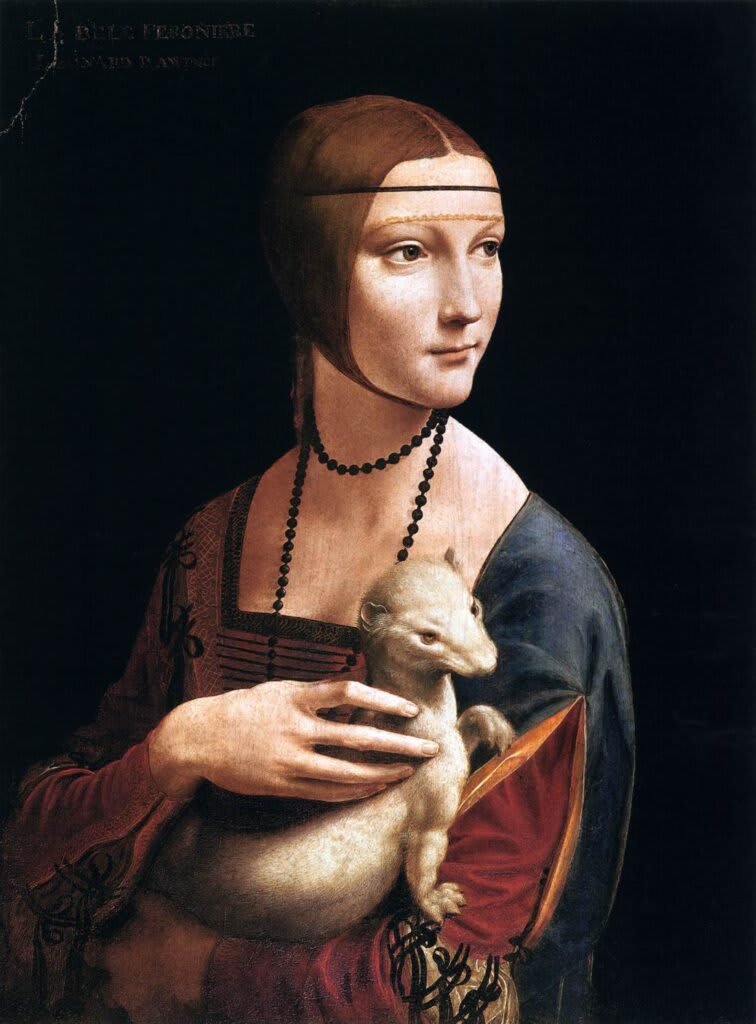
Animals, according to Da Vinci, are the image of the world. He wrote: “Humans have a great deal of power of speech, which for most cases is vain and false; animals have little, but use it in a useful and true way, and a small truth is better than a great lie.”
6. The Last Supper
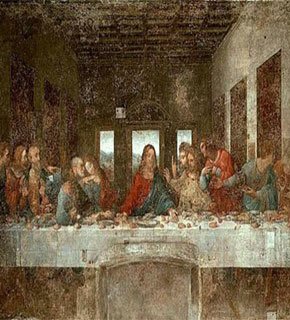
Clique aqui, and learn more: The Last Supper
7. Mona Lisa
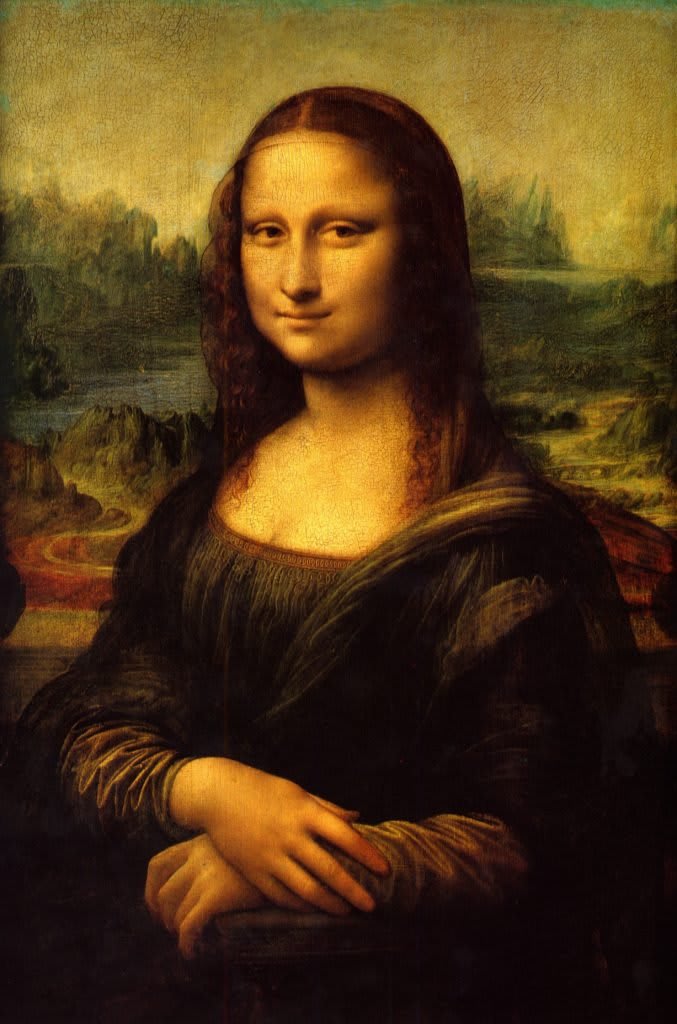
Clique aqui, and learn more: Mona Lisa
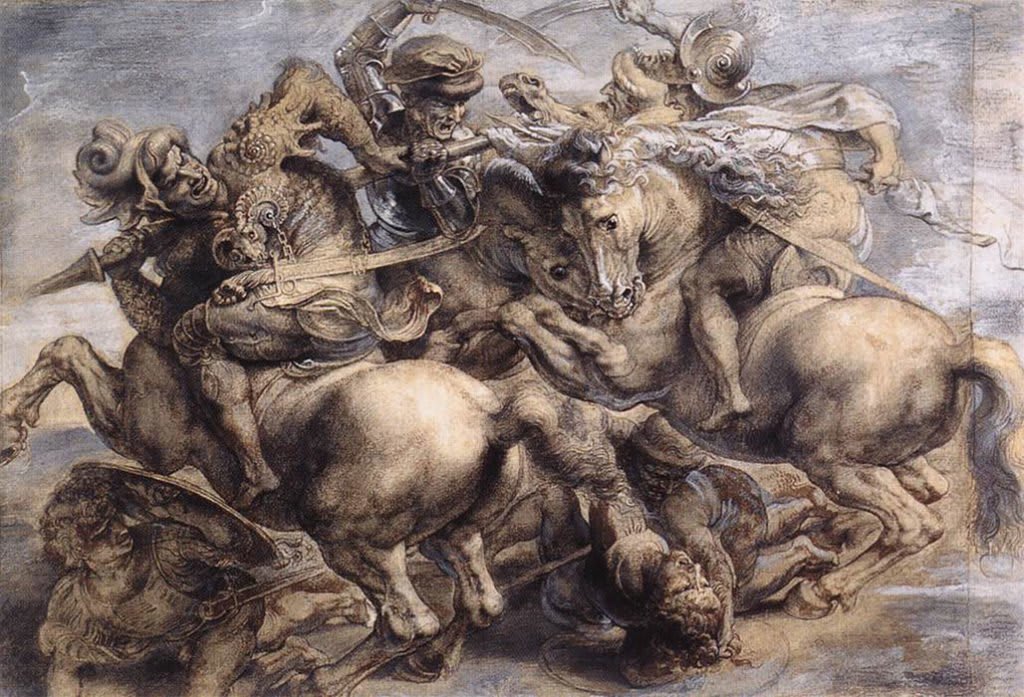
8. The Battle of Anghiari - Leonardo was commissioned to capture in painting the glory of this battle, receiving specific instructions on how he should represent the military triumphs of the Florentine Republic, which wanted to commemorate the victory forever. The painter vividly captured the terror and aggression of the soldiers during the combat positioning and the extreme ferocity of the horses, spending a long time studying the movements of the animals. Due to the technique employed, the mural painting disappeared, leaving only reproductions available to the world.
This tradition of capturing historical triumphs and large-scale drama through murals continued to be a powerful artistic tool in later centuries, as seen in the Biography of Candido Portinari: From Academia to Historic Mural Paintings
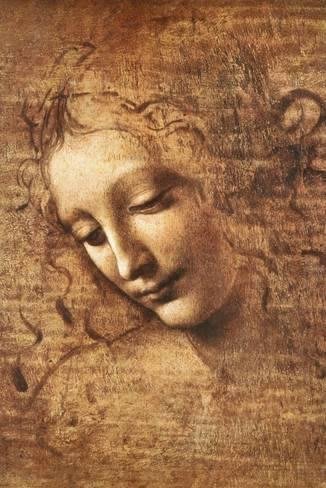
9. Head of a Woman - This is a beautiful study by Leonardo da Vinci, perhaps one of the most beautiful portraits produced in this period, which unfortunately was not completed. They say it could have been a sketch for a Madonna.
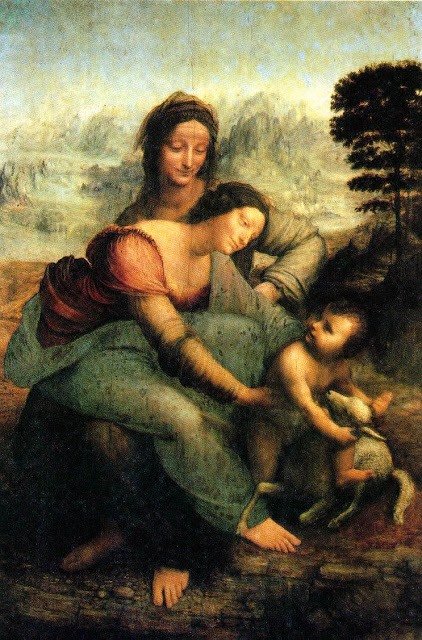
10. The Virgin Saint Anne and the Child Jesus - This is a painting commissioned by Da Vinci for the great altar of the Annunciation Church in Florence. However, the painting did not go to Florence, as Leonardo took it to France. Later, the work was repatriated to Italy, but Richelieu bought it and brought it definitively to France.
LEONARDO DA VINCI, 500 YEARS
The artist was especially revered worldwide during the year 2019, with grand exhibitions in commemoration of his 500th death anniversary.
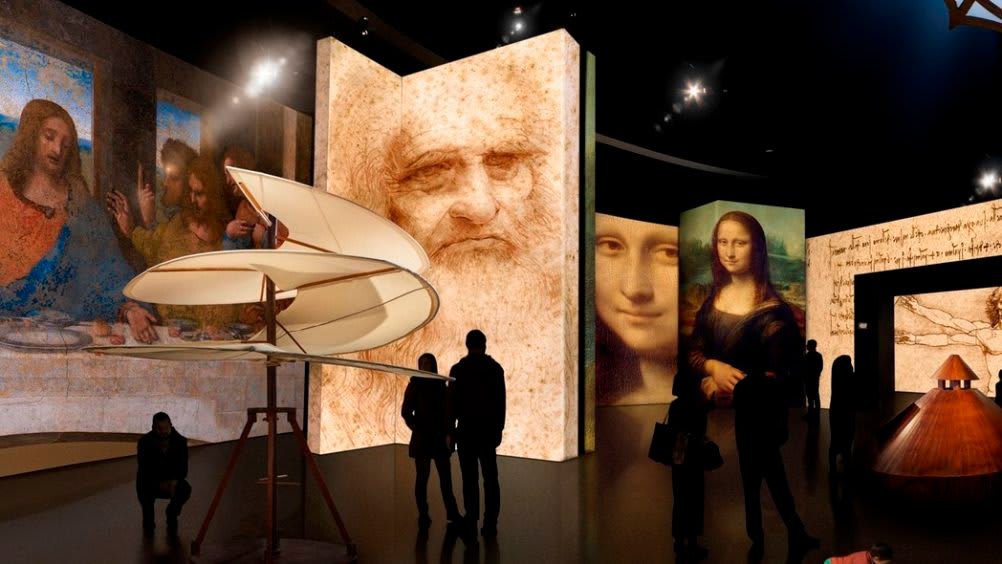
An artistic experience that began at the Atelier dês Lumières, in Paris, was also exhibited in other countries such as Canada and the United States. In Brazil, it took place at the MIS-SP (Museum of Image and Sound of São Paulo) where this important cultural space inaugurated the MIS Imersão, inspired by the Parisian warehouse that became one of the most incredible artistic experiences in the world.
The space occupied a 2000 m² area with a projection system consisting of 150 devices. The exhibitions were held with total immersion and interactivity, allowing visitors to walk through the works of this Renaissance genius.