Raphael: Biography and Works: Grand Frescoes and Eternal Legacy (Part 3 of 3)
Raphael: Biography and Works: Grand Frescoes and Eternal Legacy (Part 3 of 3)
The genius dedicated his soul to painting the ceiling of the most famous chapel in the world.

Surprisingly, he spent more than 4 years working in almost suffocating conditions.
In 'The Betrothal of the Virgin' or 'The Marriage of the Virgin', the main figures are situated in the foreground: Joseph handed over to Mary her ring, and holds in his left hand a flowering branch to symbolize that he is the chosen one. His branch flowered, while the other suitors remained dry.
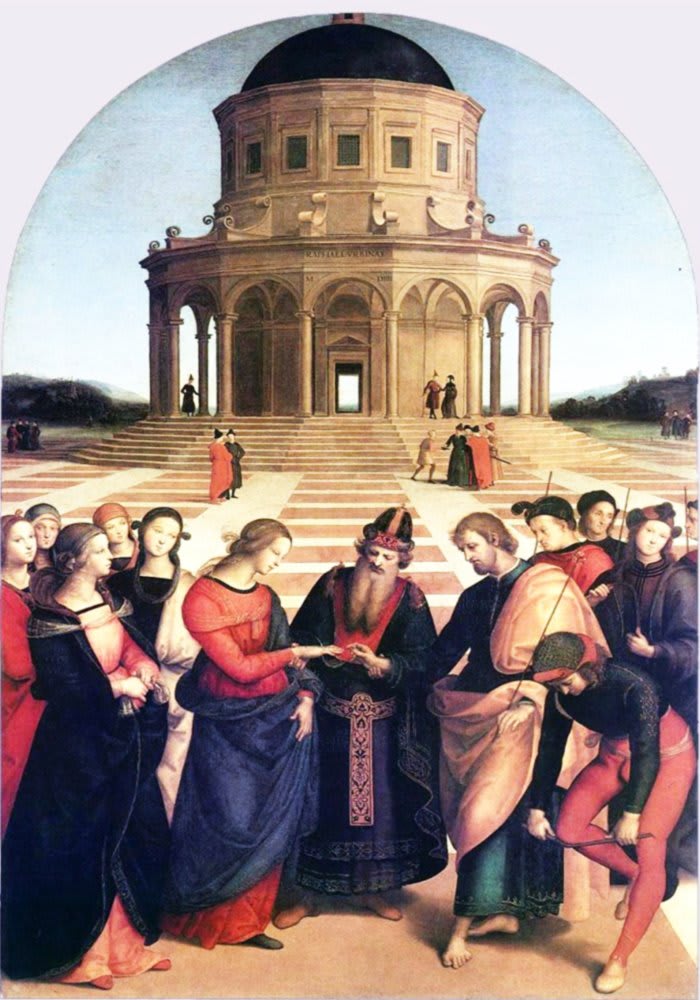
Two of them, humiliated, decide to break it. The figures are grouped in a simple row.
The refinement of the composition makes this Sposalizio, as it is titled in Italian, a first mark in the work of Raphael's youth.
While Raphael flourished in Italy, other masters followed unique paths toward the European Renaissance: Biography of El Greco: The Greek Origins and Journey to European Renaissance
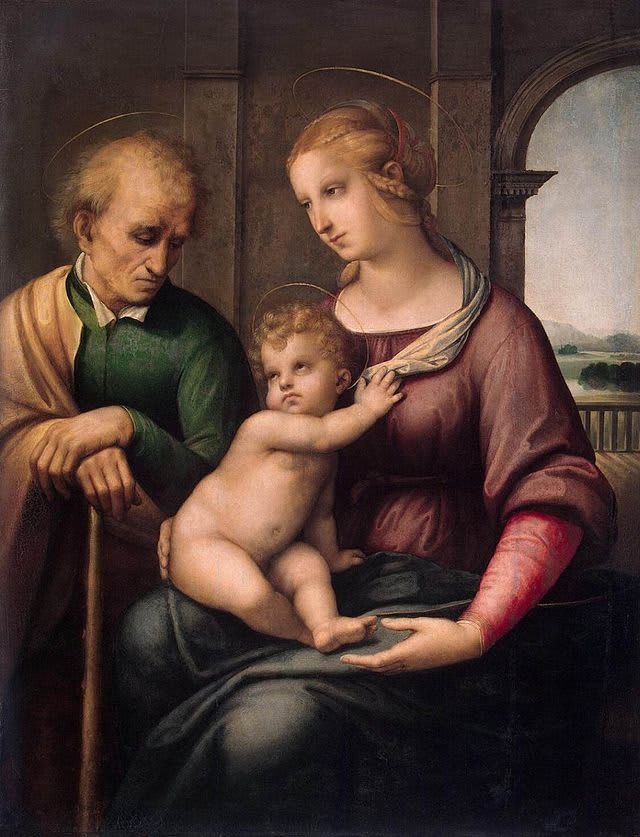
The Holy Family - In this work, Raphael approaches a theme that has been extensively explored by other artists, using his elegant style, where he portrays Joseph without a beard.
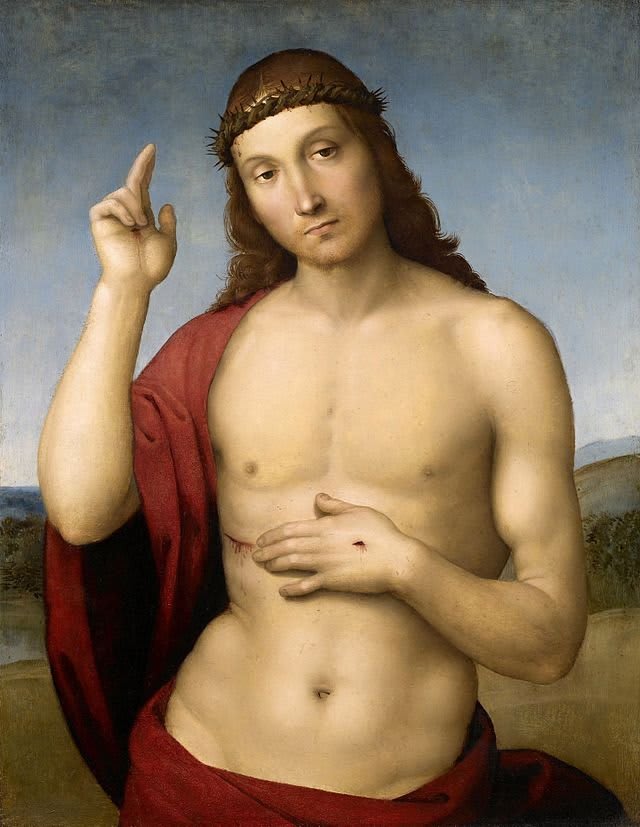
The Blessing Christ - We perceive in this painting the influence of Leonardo da Vinci, due to the use of the chiaroscuro technique. Some historians believe that Raphael himself was portrayed in the figure of Christ.
The technical precision and emotional depth of later European masterpieces often share a common lineage with these Renaissance traditions: The Anatomy Lesson of Dr. Tulp by Rembrandt
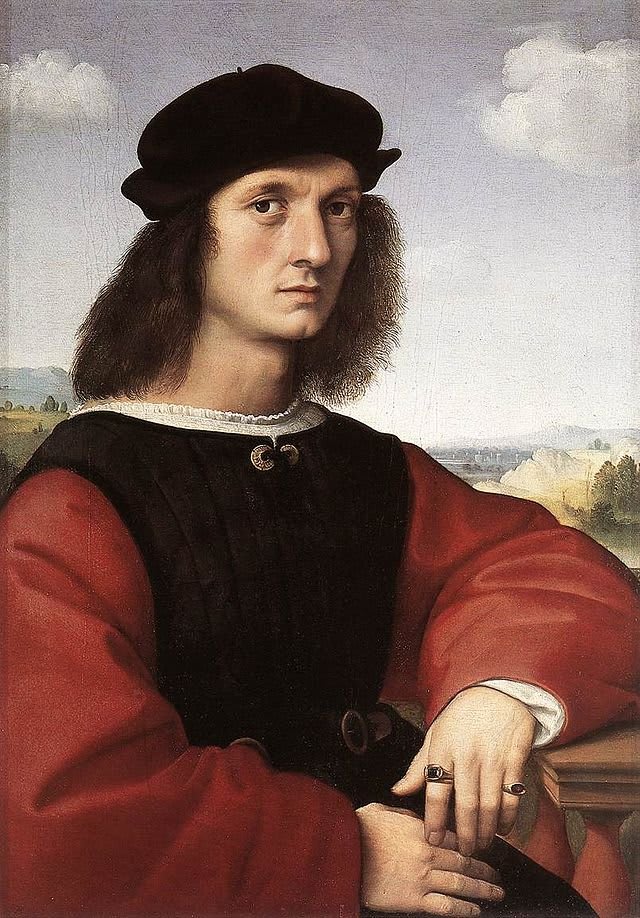
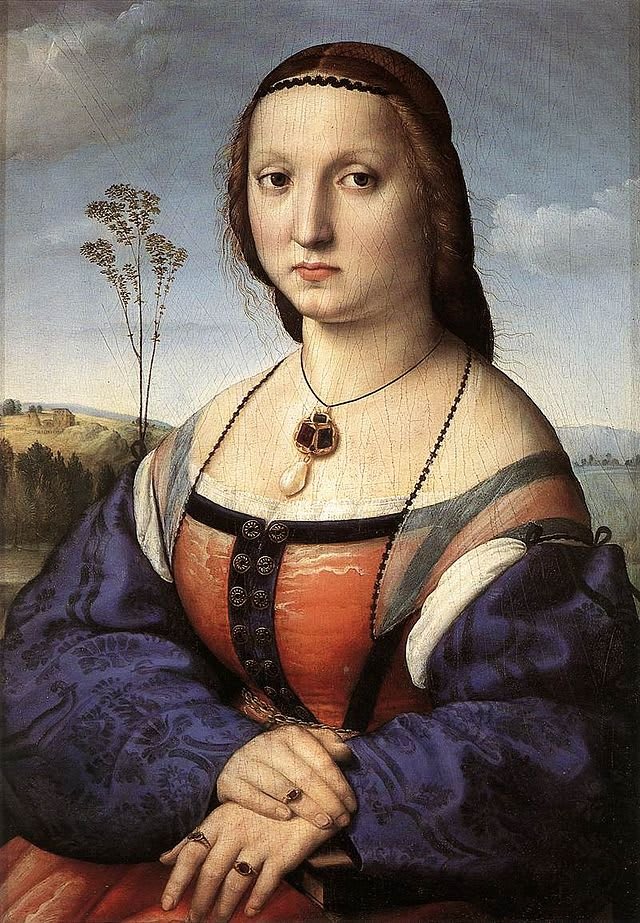
The Couple Doni - This pair of portraits featuring Agnolo and Maddalena Doni, we find a strong influence of Leonardo da Vinci, especially from his famous Mona Lisa, with the exception of the background landscape, which reminds us of the serenity found in Raphael's compositions.
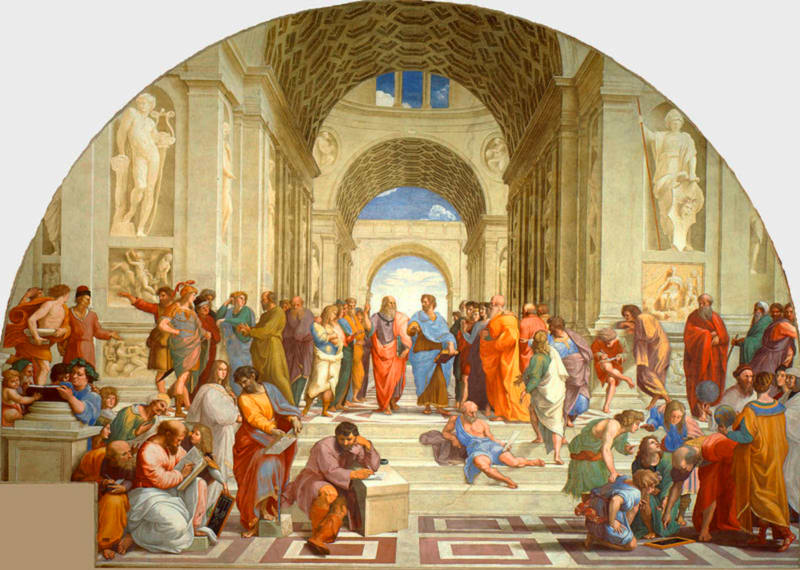
The School of Athens belongs to the Stanza della Segnatura or Stanza Rafaello as it is known today, this space located in the Vatican next to the Sistine Chapel. Raphael painted this fresco at just 21 years old. Click here to learn more about this and the other three panels that make up the room, where each wall represents a theme: Theology, Poetry, Justice and Philosophy
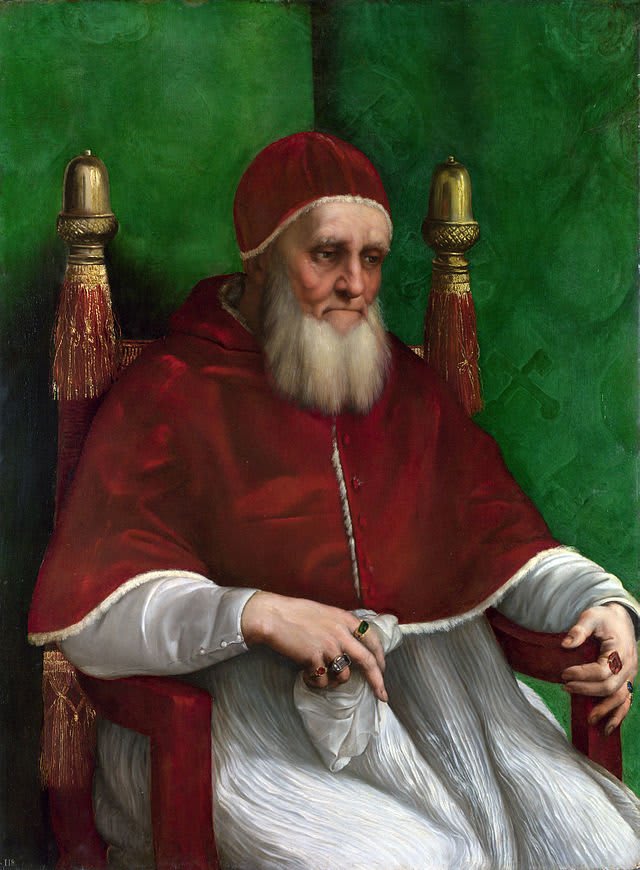
Portrait of Julius II - This is a tribute that Raphael paid to the great patron of the arts in the 16th century, Pope Julius II. This version belongs to National Gallery, London
The evolution of light and atmosphere in art eventually paved the way for later movements that emphasized movement and perception: Woman with Parasol (The Passeio) – Claude Monet
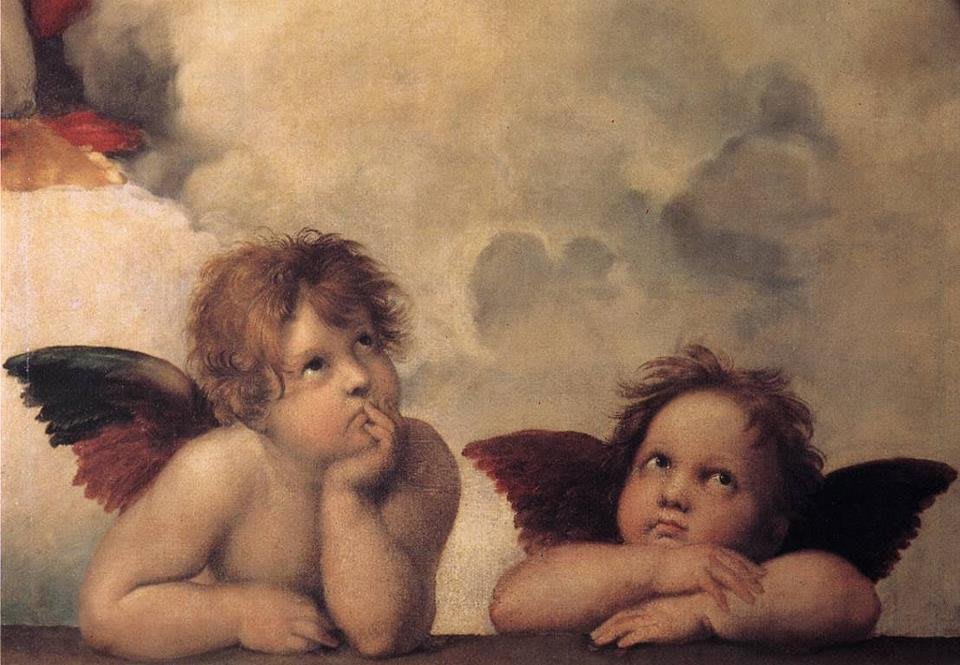
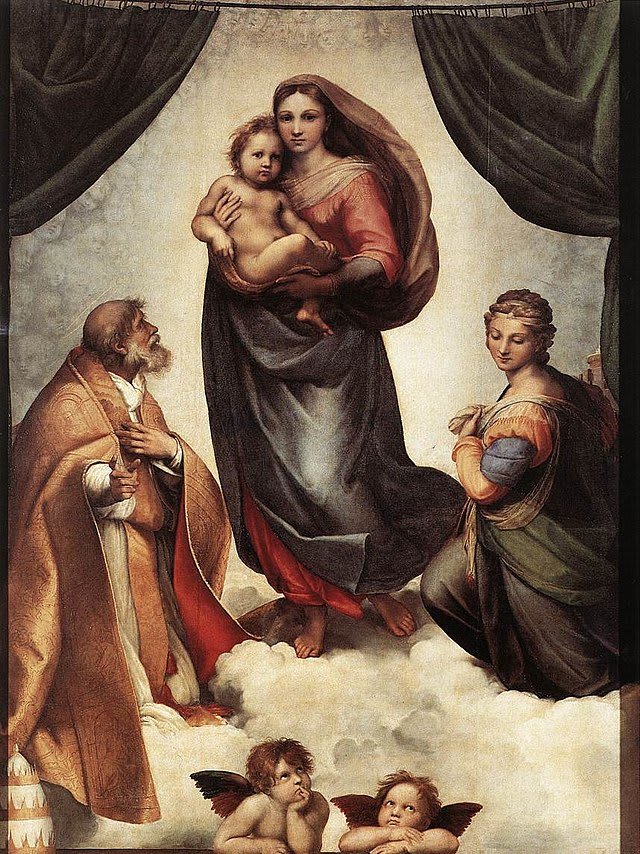
Sistine Madonna - This work was named after it because it would have been made to adorn the tomb of Sixtus II at the request of the Pope Julius II, who had Saint Sixtus as his patron saint.
Raphael was able to balance idealism and reality in his works.
This balance made his paintings be taken as models by different generations of artists.
His Madonnas and angels are famous.
Between these last ones, the two cherubs who look half-understood at the Virgin who carries the Baby Jesus are the most famous, they are located at the bottom of this altarpiece of the Sistine Madonna.