
Anita Malfatti: Biography, Works, and Artistic Legacy (Chapter 3)
Anita Malfatti: A Pioneering Artist in Brazil
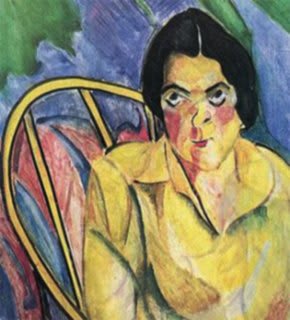
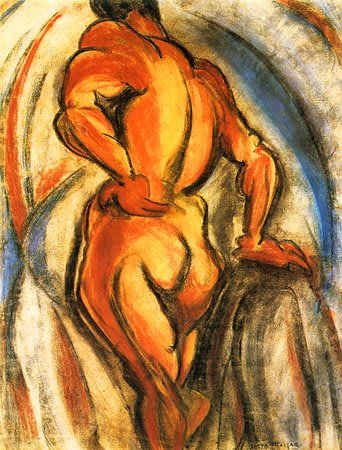
The canvas is constructed using colors, in an orchestration of oranges, yellows, blues, and greens, highlighting the chromatic zones outlined by the black lines, mostly diagonal.
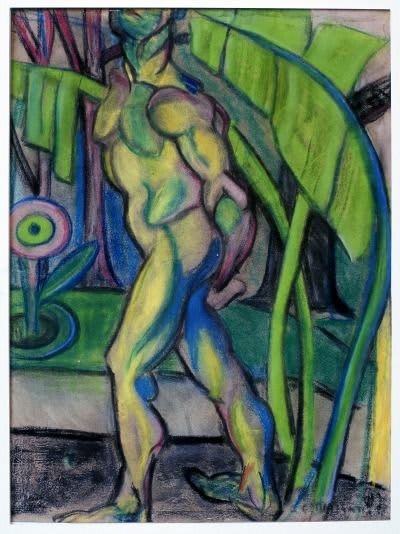
In the foreground, an angular and asymmetrical figure receives an irregular application of color. Yellow, blue, and green, highlighting the chromatic zones outlined by the black lines, mostly diagonal.
Surprisingly, the work is constructed with a unique combination of colors and forms.
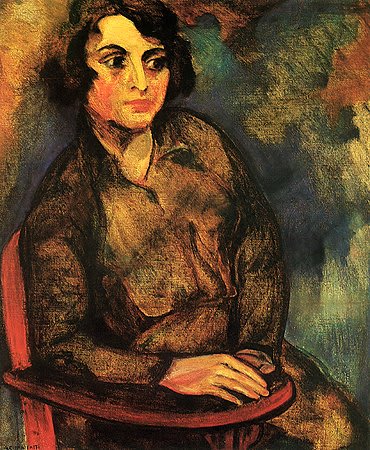
The subject has a distant gaze, appearing to be lost in a world that is only hers.
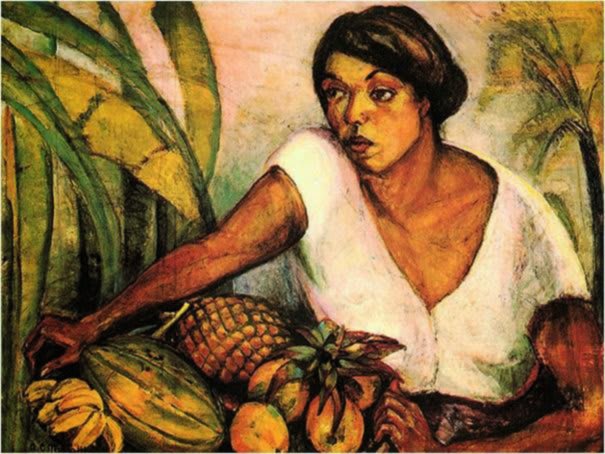
To be accepted as an artist in her country, the painter sets aside expressionist inspiration and begins to give more realistic touches to her creations.
For a deeper dive into the Expressionist movement that greatly shaped many early 20th-century artists, including Malfatti, explore the life and works of Egon Schiele: Maturity, Conflicts, and Lasting Expressionist Legacy
The canvas is a representation of Brazilian life at the time.
If you're interested in discovering more iconic Brazilian painters who left a significant mark on the 20th century, consider reading about Iberê Camargo
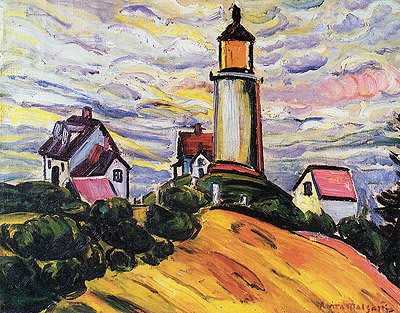
This is one of Anita Malfatti's most famous works.
In 1915, the artist leaves for another period of studies, this time in the United States, where she takes classes with Homer Boss (1882 - 1956) at the Independent School of Art.
ART GALLERY
Torso/Rhythm. Anita Malfatti. 1915-16
The Man of Seven Colors. Anita Malfatti
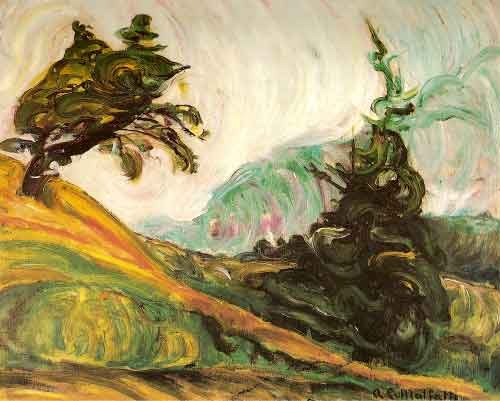
The Whirlwind. Anita Malfatti. 1917
The Chinese Woman. Anita Malfatti. 1922
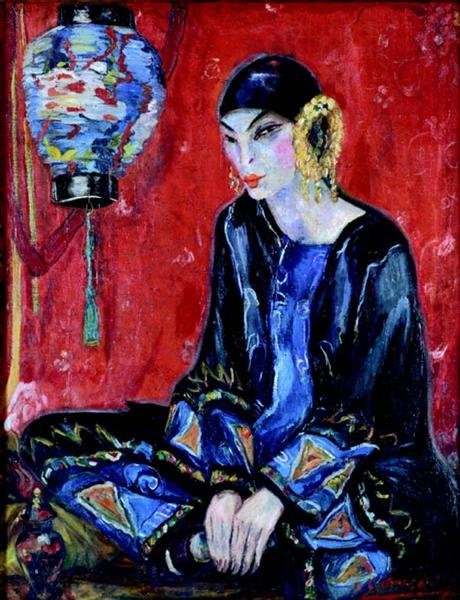
The artist's career was marked by a great variety of styles and influences.
In 1923, Anita finally wins the artistic scholarship of the State Pension - which she had not been able to obtain with the 1914 exhibition - and goes to Paris, where she stays for five years.
During her stay, she distances herself from the positions of the avant-garde.
The artist does not deny modernism, but avoids what it has of rupture.
Upon returning to Brazil in 1928, she becomes interested in regionalist themes and returns to traditional forms, such as Renaissance painting and naïve art.
The interest in a more fluid and uncompromising painting brings Anita closer to the Family Artistic Paulista - FAP group.
To explore another fascinating journey within Brazilian art, from immigration to the development of a distinct abstract language, you might enjoy Tomie Ohtake - Biography and Art: A Journey from Immigration to Abstraction
They identify with the search for a spontaneous and well-made painting, not tied to established models nor lost in the desire for innovation.
In 1963, a year before her death, she holds an individual exhibition at the Casa do Artista Plástico and receives a retrospective of her work at the 7th International Art Biennial of São Paulo.
This is the last tribute she receives in her lifetime.


